
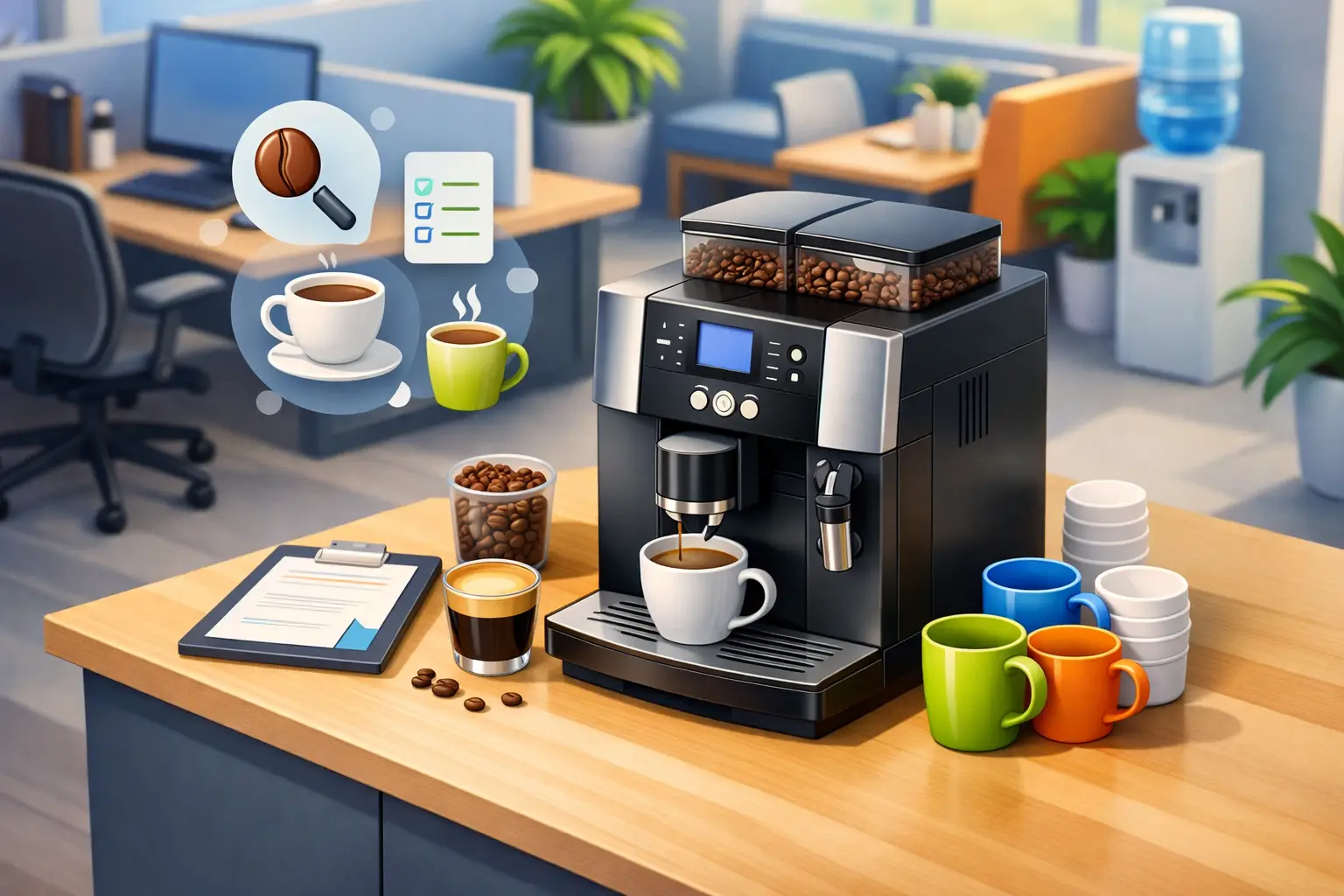
A bean-to-cup machine can turn a routine office coffee break into a genuine workplace benefit, but only when it fits the people using it. Knowing how to select a bean to cup machine means looking beyond a polished touchscreen or a long drink menu. The right system must keep pace with demand, match employee preferences, fit the available space, and be supported by reliable service when it needs attention.
For office managers and facilities teams, the goal is not simply to place another piece of equipment in the break room. It is to provide fresh, consistent coffee without creating a daily maintenance task or an avoidable service issue. A thoughtful selection process helps protect your investment and keeps the coffee station ready for the workday.
Start With Your Office Coffee Volume
The number of employees is a useful starting point, but it does not tell the whole story. Consider how many people are in the office on a typical day, when coffee demand peaks, and whether visitors, clients, or shared tenants will use the machine. An office with 40 employees may need more capacity than a 100-person office if everyone arrives at the same time and heads to the break room before meetings.
Ask how many drinks the machine will need to produce during the busiest 30 to 60 minutes, not just over the course of a full day. A machine that makes excellent drinks but slows down during the morning rush can create lines, frustration, and extra wear on the equipment.
Capacity also affects how often staff will need to refill ingredients and empty grounds. Look at bean hopper size, water supply, waste container capacity, and any milk or powdered ingredient requirements. Higher-volume workplaces generally benefit from a plumbed-in machine with a direct water connection, while smaller offices may be well served by a unit with a refillable reservoir. The right choice depends on usage patterns and the level of daily attention your team can realistically provide.
How to Select a Bean to Cup Machine by Drink Menu
Bean-to-cup coffee is valued for freshness because the machine grinds whole beans immediately before brewing. That advantage matters most when the beverages it produces reflect what your employees actually want to drink.
Start with the basics. If your office primarily wants regular coffee, espresso, and decaf, a straightforward bean-to-cup machine may offer the best balance of quality, speed, and cost. If employees expect cappuccinos, lattes, americanos, hot chocolate, or specialty drinks, look for a system built to deliver those choices consistently.
More beverages are not automatically better. A broad menu can improve employee satisfaction in a larger or more diverse workplace, but it may also increase ingredient management, cleaning needs, and equipment complexity. In a smaller office, a machine with too many options may be underused while costing more to operate.
Decaf deserves specific attention. Some machines use a separate bypass chute for pre-ground decaf, allowing users to make a decaf drink without changing the bean hopper. Others offer multiple bean hoppers. The best option depends on decaf demand and whether your team wants the convenience of one machine for every preference.
Milk is another practical decision. Fresh-milk systems can produce a premium café-style result, but they require careful daily cleaning and refrigeration support. Powdered milk systems are often easier to manage in busy commercial settings and can deliver dependable specialty beverages with fewer handling concerns. Neither option is universally right. The better choice is the one your workplace can maintain properly and your employees will enjoy.
Consider Water, Power, and Counter Space Early
A bean-to-cup machine needs more than a convenient place on the counter. Before selecting a model, confirm the available footprint, clearance for refilling and servicing, electrical requirements, water access, and drainage needs. These details are easy to overlook until installation day, when they can delay a launch or limit machine options.
Plumbed-in equipment is often a strong choice for offices with steady coffee demand because it removes the need to fill tanks throughout the day. It also supports a more consistent operation during peak periods. However, a water line and proper filtration may be necessary to protect beverage quality and help reduce mineral buildup inside the machine.
Water quality has a direct effect on the taste of coffee and the longevity of the equipment. In South Florida, where water conditions can vary by location, filtration should be part of the conversation from the beginning. A quality machine cannot overcome poor water, and avoidable scale buildup can lead to service interruptions.
Make sure the surrounding break room can support the full experience as well. Space for cups, lids, stirrers, sweeteners, creamers, tea, and waste disposal helps prevent the coffee station from becoming cluttered. A well-organized setup encourages use and presents a more professional experience for employees and guests.
Look Closely at Cleaning and Daily Care
Every bean-to-cup machine requires cleaning. The question is whether the cleaning routine is clear, manageable, and supported by the people responsible for the break room.
Many modern systems provide on-screen prompts for rinsing, emptying drip trays, adding cleaning tablets, or completing milk-system sanitation. Those prompts help, but they do not replace a defined routine. Before choosing a machine, understand what needs to happen daily, weekly, and monthly, as well as who will complete each task.
A fresh-milk machine may be an excellent fit for an office that has staff available to follow sanitation procedures every day. A machine with simpler ingredient handling may be a better fit for a workplace with limited on-site support. Choosing equipment that exceeds your operational capacity can lead to inconsistent drinks, preventable downtime, and a disappointing employee experience.
Ask whether routine care can be completed without moving the machine or dismantling hard-to-reach parts. Also consider the accessibility of the grounds bin, drip tray, and ingredient containers. Small design details make a major difference when the machine is used dozens or hundreds of times each day.
Evaluate Service Support, Not Just Machine Features
For a workplace, a coffee machine is only as valuable as its uptime. A long list of features means little if the system is difficult to maintain or there is no dependable plan for repairs, preventive service, and replenishment.
When comparing providers, ask who handles installation, training, filter changes, scheduled maintenance, emergency repairs, and supply delivery. Clarify response expectations and find out whether local service technicians are available. A low equipment price can become expensive if your office is left managing breakdowns, ordering ingredients from multiple sources, or troubleshooting equipment without support.
This is where a full-service office coffee partner can make the selection process easier. Certified Coffee Service helps workplaces match equipment, coffee, water solutions, and break room supplies to their needs, backed by a service-first approach. The best partnership should feel accountable after the machine is installed, not only during the sales process.
Compare Total Operating Cost
The purchase price or monthly equipment fee is only one part of the cost. To make a sound decision, consider coffee beans, milk ingredients, filters, cleaning products, water use, electricity, cups and condiments, service coverage, and the labor involved in daily upkeep.
A higher-capacity machine may cost more initially but reduce refilling, improve throughput, and limit employee time spent waiting for coffee. Likewise, a premium specialty-drink system may support workplace culture and help create a more welcoming office, especially when employees and clients regularly gather in the break room.
On the other hand, paying for advanced beverage features that few people use is not an efficient investment. Review the likely cost per cup alongside the expected number of drinks. The goal is dependable value, not simply the lowest monthly price.
Involve the People Who Will Use It
Facilities and office managers should lead the decision, but employee feedback can prevent a mismatch. A short survey or informal conversation can reveal whether the office values fresh brewed coffee, espresso drinks, decaf access, dairy-free options, tea, or a simple and fast experience.
Avoid trying to satisfy every possible preference with one oversized system. Instead, identify the needs that matter most to the largest group and build a practical break room solution around them. In some workplaces, a bean-to-cup machine works best alongside a tea program or a separate water dispenser rather than as the only beverage option.
The strongest choice is the machine your team can count on at 8:30 a.m., not just the one that looks impressive in a showroom. Select a system that matches your office volume, beverage culture, cleaning capacity, and service expectations, then give it the support it needs to keep every coffee break running well.
1 comment