
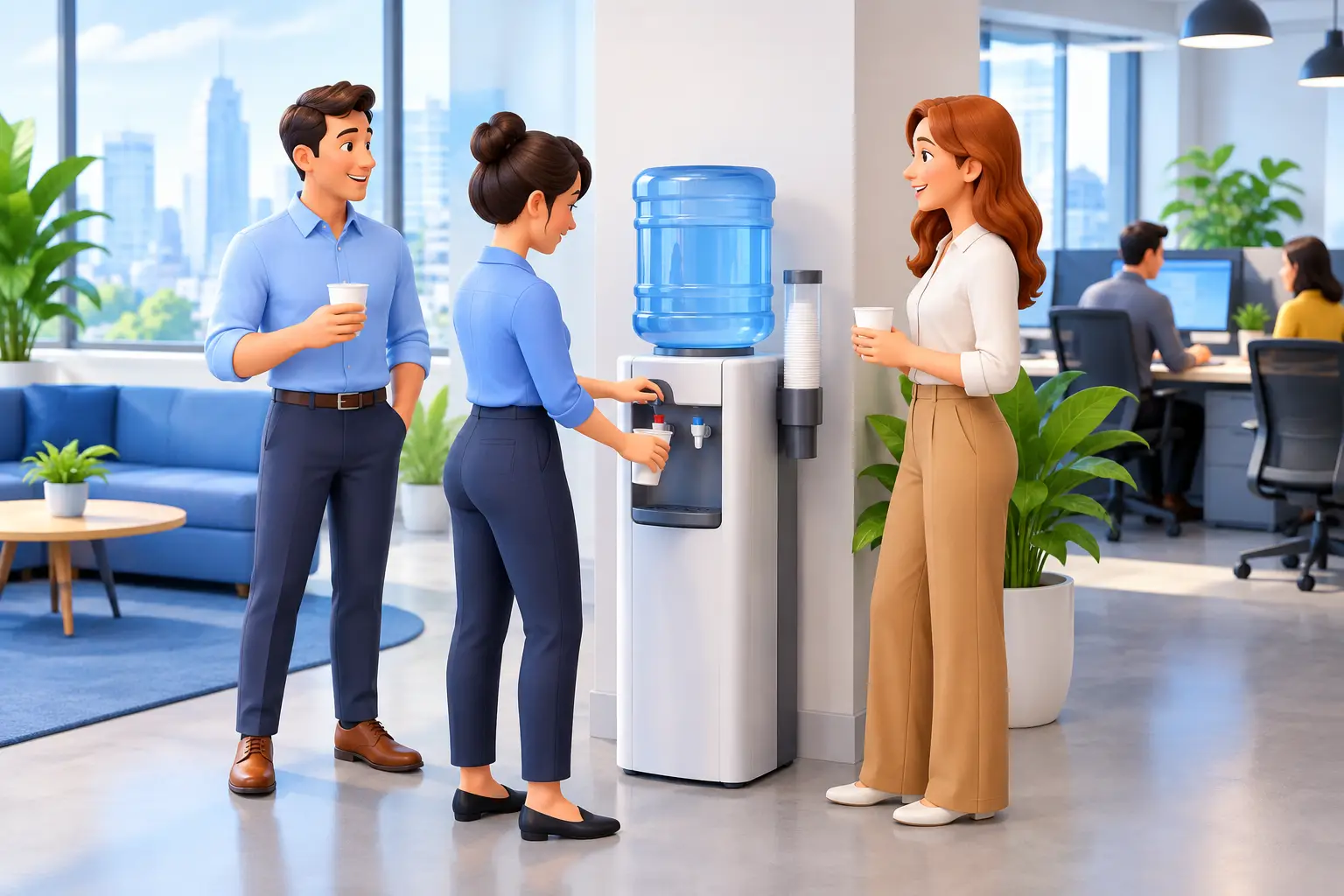
A water station is one of the most-used amenities in the workplace, yet it is often noticed only when something goes wrong. Empty bottles, a dispenser that needs attention, poor-tasting water, or an unexpected delivery gap can quickly become a daily frustration for employees and office managers alike. The right water cooler service for offices keeps those small disruptions from becoming someone else’s recurring task.
For facilities teams and office administrators, the best service is not simply about placing a cooler in a break room. It is about dependable delivery, equipment that fits the space, a product selection employees will use, and a provider that answers the phone when support is needed. That is the standard a workplace water program should meet.
What Reliable Water Cooler Service for Offices Includes
A professional office water program combines equipment, scheduled replenishment, maintenance, and account support. Instead of assigning a staff member to buy cases of water, store heavy bottles, and troubleshoot equipment, the business has one service partner responsible for keeping the water supply ready.
For many offices, bottled water coolers remain a practical choice. They provide cold water and hot water from a familiar dispenser, require little counter space, and work well in break rooms, reception areas, training rooms, warehouses, and employee lounges. Bottle delivery also gives businesses a clear, visible inventory of drinking water on hand.
Bottleless water coolers are another strong option, especially for locations with consistent water use and access to a suitable water line. These systems filter the building’s water and dispense chilled, hot, or room-temperature water without storing bottles. They can reduce bottle handling and free up storage space, but they do require professional installation and regular filter service to perform as intended.
The better choice depends on the workplace. A smaller office may prefer the flexibility of bottled water. A larger office with high daily consumption may benefit from a bottleless system. A knowledgeable provider should discuss usage, floor plan, plumbing access, employee count, and service expectations before recommending equipment.
Start With the People Who Will Use It
Water service should match how employees actually work. A 10-person professional office has different needs than a multi-shift operation, a medical facility, or a large corporate campus. Estimating usage accurately helps prevent both unnecessary delivery costs and the more immediate problem of running out of water.
Consider where people gather during the day. A central break room may be enough for a compact office, while a larger location may need separate units for a warehouse, reception area, conference center, or executive suite. Placing a cooler where people already take breaks encourages hydration without creating congestion around one station.
Temperature options matter as well. Cold water is the everyday expectation, but hot water adds value for tea, instant soups, oatmeal, and other break room staples. Some offices also prefer systems that offer ambient water, sparkling water, or touchless dispensing. Those features can be worthwhile, though they should serve a real employee need rather than add complexity for its own sake.
A good service partner will ask practical questions: How many employees are on site each day? Are there peak shifts? Is the unit accessible for deliveries and service? Is there adequate storage for bottles? Does the location need hot water, filtration, or a hands-free option? These details lead to a system that works day after day.
Bottled and Bottleless Water: A Practical Comparison
Bottled water coolers offer straightforward convenience. They do not depend on a nearby water connection, can often be relocated more easily, and provide a reserve supply during a building plumbing issue. For offices that value known spring water or purified bottled water brands, they are a natural fit.
The trade-off is storage and handling. Full bottles are heavy, empty bottles need a designated return area, and delivery frequency must be managed carefully. A reliable provider minimizes these concerns by maintaining a predictable route schedule and adjusting delivery quantities when staffing or consumption changes.
Bottleless coolers are designed for consistency at higher-volume locations. With proper filtration and scheduled maintenance, they offer a steady supply without bottle storage. They may also help offices reduce the movement and disposal associated with single-use water packaging.
However, bottleless equipment is not automatically the right answer for every site. Installation requirements, building access, water-line availability, and filter replacement schedules all deserve consideration. The key is selecting the option that gives the office the fewest operational headaches, not simply choosing the newest-looking machine.
Service Is the Difference Between a Cooler and a Program
Equipment matters, but service determines whether the break room stays dependable. When comparing providers, office decision-makers should look beyond the dispenser style and price per bottle. Ask how deliveries are scheduled, who handles equipment cleaning or repairs, how quickly service calls are addressed, and whether one provider can support other break room needs.
The strongest workplace programs make replenishment easy. Regular deliveries should arrive when expected, bottles should be placed where they belong, and orders should be able to change as the office changes. A growing team, a busy season, or a return-to-office policy can all increase water demand quickly.
Responsive support is just as important. A water dispenser that is not cooling, heating, or dispensing properly should not remain out of service for days. Local accountability matters because the provider understands the service area, maintains the equipment, and has a direct interest in protecting the customer relationship.
At Certified Coffee Service, this approach is built around Service Above All. For South Florida offices, water solutions can be supported alongside coffee, tea, vending, and break room supplies, reducing the need to coordinate several separate vendors. One accountable service partner means fewer invoices, fewer delivery contacts, and a more organized workplace amenity program.
Keep the Water Station Clean, Stocked, and Easy to Use
Even excellent equipment needs a simple plan for daily care. Employees should know where to find cups, how to report an issue, and where to place empty bottles if the office uses a bottled system. The area around the cooler should remain clear so deliveries and service visits can be completed safely.
For office managers, a quick periodic check can prevent small issues from lingering. Look for adequate cup and bottle inventory, clean drip trays, clear access to the unit, and any signs that the dispenser is not operating normally. This does not replace professional service, but it helps ensure a problem is reported early.
It also helps to align water service with the rest of the break room. Coffee drinkers need water nearby, tea service benefits from hot-water access, and meeting rooms may need bottled water or cups before guests arrive. When these details are planned together, the break room feels intentional rather than pieced together over time.
Questions to Ask Before Choosing a Provider
Before starting service, make sure the provider can explain the program in clear business terms. Four questions are especially useful:
- What equipment is recommended for our employee count, layout, and daily usage?
- How often will water be delivered or filters serviced, and how can that schedule be adjusted?
- What happens if equipment needs repair or a delivery issue occurs?
- Can the provider also support coffee, tea, cups, condiments, and other break room supplies?
The answers reveal whether the provider is focused on a one-time placement or a long-term service relationship. Price matters, but the lowest initial quote can become expensive when deliveries are inconsistent, equipment support is slow, or staff must spend time managing shortages.
A dependable water station is a simple way to show employees and visitors that the workplace is prepared for the everyday details. Choose a service plan that fits the way your office operates, then let a responsive provider keep it running quietly in the background.