
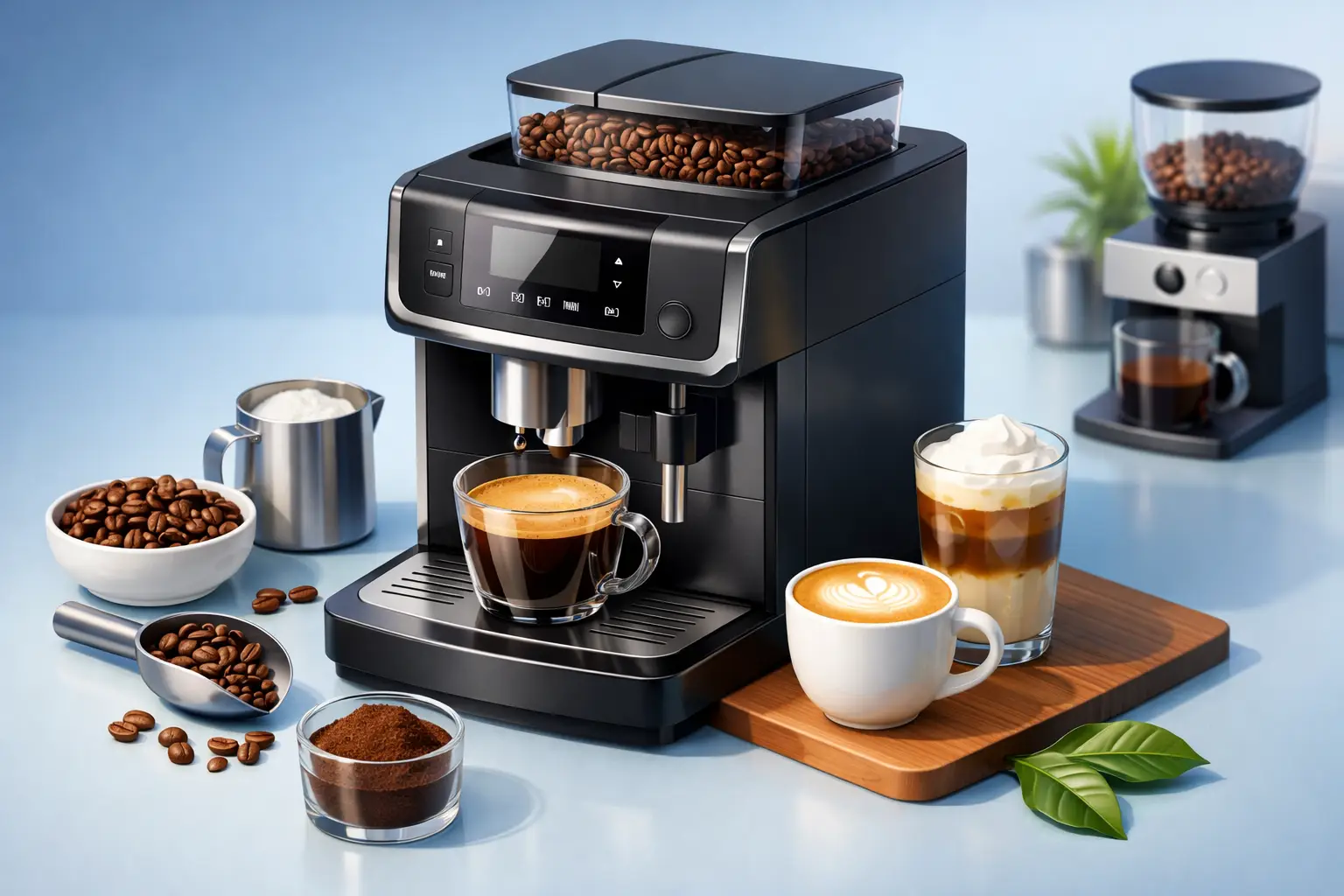
The right office coffee machine is the one employees can count on at 8:15 a.m., visitors are happy to use at 2:00 p.m., and your team does not have to troubleshoot between meetings. So, what is the best bean to cup coffee maker? For most workplaces, it is not simply the machine with the longest drink menu or the lowest purchase price. It is the one that matches daily demand, beverage preferences, available space, and the level of service behind it.
Bean-to-cup coffee makers grind whole beans for each drink, then brew espresso-based coffee at the touch of a button. Many models can also dispense coffee, americanos, cappuccinos, lattes, hot water, and other specialty drinks. That freshness and convenience can make a noticeable difference in an office break room, but the best choice depends on how the machine will perform during a normal workday, not just on a showroom floor.
What Is the Best Bean to Cup Coffee Maker for an Office?
For a busy workplace, the best bean-to-cup coffee maker is typically a commercial-grade automatic machine with enough output for peak periods, intuitive drink selection, reliable milk handling when specialty drinks are needed, and a clear cleaning routine. It should also be supported by a responsive local service provider.
A small office with 10 regular coffee drinkers may be well served by a compact unit that produces excellent coffee and espresso beverages without taking over the counter. A larger office, medical practice, dealership, or customer-facing business needs a higher-capacity machine designed to make drink after drink without long waits, refilling interruptions, or inconsistent quality.
This is why comparing machines by price alone can lead to frustration. An undersized machine may cost less up front, yet create lines at the start of the day and demand more attention from office staff. A larger machine with features nobody uses can also add unnecessary cost and cleaning requirements. The goal is dependable coffee service that fits the way your people actually work.
Start With Daily Demand, Not Headcount Alone
Employee count is a useful starting point, but it does not tell the whole story. Some teams drink one cup before opening their laptops. Others rely on coffee throughout the day, welcome clients regularly, or have shift changes that create several high-volume periods.
Consider how many beverages the machine will produce on an average day and, just as importantly, how many may be ordered within a 15-minute window. A machine that handles 40 drinks per day can still be a poor fit if 25 people try to use it immediately after a morning meeting.
Ask practical questions before selecting equipment. Will the machine serve employees only, or clients and visitors as well? Are there multiple floors or departments that would be better served by separate stations? Does the workplace have a strong coffee culture, or is coffee one of several available beverages? These details determine whether a compact bean-to-cup unit, a high-volume automatic system, or a combination of coffee solutions makes the most sense.
Capacity Means More Than Cups Per Day
Bean hopper size, water supply, grounds container capacity, and milk system capacity all affect how often someone must stop to refill or empty the machine. In a commercial setting, those interruptions matter. A machine that produces a good drink but requires constant attention shifts work onto the office manager, receptionist, or facilities team.
For larger workplaces, direct water connection is often a valuable feature. It eliminates the need to fill a reservoir and helps keep service moving during busy periods. A larger bean hopper and waste container can provide the same benefit. The best setup keeps the break room stocked, clean, and ready without becoming another task on someone’s daily checklist.
Choose the Drink Menu Your Team Will Use
A bean-to-cup machine can offer anything from straightforward black coffee and espresso to a full café-style menu. More choice can improve employee satisfaction, especially in offices where cappuccinos, lattes, and americanos are popular. However, a larger menu is only beneficial when it reflects real demand.
For a traditional office coffee audience, freshly ground regular coffee, decaf availability, and hot water for tea may be the priorities. In a workplace with younger teams, frequent guests, or employees accustomed to coffee shop drinks, milk-based beverages can be a meaningful benefit. The right machine should make common drinks well and make them consistently.
Milk is one of the biggest decision points. Fresh milk systems can produce a more café-like drink, but they require careful daily cleaning and appropriate refrigeration. Powdered milk systems can simplify certain service needs and may suit offices where convenience and consistency are more important than a fresh-milk presentation. Neither option is automatically better. The best choice depends on expected drink volume, taste expectations, cleaning responsibility, and workplace procedures.
It also helps to think beyond coffee. A machine with hot-water capability supports tea drinkers, while a well-planned break room can include recognized tea brands, filtered water, and complementary beverage options. Not every employee wants espresso, and a strong workplace beverage program gives more people a reason to enjoy the break room.
Do Not Overlook Cleaning and Maintenance
Every bean-to-cup coffee maker needs care. Grounds must be emptied, trays cleaned, milk systems maintained, and internal cleaning cycles completed. The difference between a good office machine and a difficult one often comes down to how clearly those tasks are managed.
Look for equipment with guided cleaning prompts and automatic rinse programs. These features help reduce guesswork, but they do not eliminate the need for a plan. Decide who will handle routine tasks, how frequently supplies will be replenished, and what happens if the machine displays an error message or stops producing drinks.
A machine that is easy for employees to use is not always easy for an office to maintain independently. That is where service matters. When equipment, coffee, cups, sweeteners, stirrers, water, and maintenance are handled through separate sources, small problems can turn into time-consuming coordination. A full-service provider can help simplify the process by matching the machine to the location, keeping products available, and responding when support is needed.
Certified Coffee Service has supported South Florida workplaces with this service-first approach since 1975. For office decision-makers, that means coffee equipment can be part of a broader break room plan rather than a stand-alone purchase with no clear support path.
Consider the Employee Experience
A bean-to-cup coffee maker is a practical business tool, but it also affects how employees and guests experience the workplace. Freshly ground coffee and a well-kept beverage station send a more thoughtful message than a neglected brewer or an empty supply shelf.
The user experience should be simple. Touchscreen menus can be helpful when they are clear and fast, especially for specialty drinks. At the same time, an overly complicated menu can slow down a busy office. The best machines make familiar selections easy while allowing enough variety for individual preferences.
Noise and placement deserve attention as well. Grinding beans is naturally louder than brewing pre-ground coffee, so a machine placed beside quiet workstations may be distracting. A break room, reception area, or dedicated refreshment station is usually a better location. Make sure there is adequate counter space, power access, ventilation, and room for service access around the equipment.
Compare Total Value, Not Just Equipment Cost
The lowest-priced machine is rarely the least expensive choice over time. Consider coffee quality, labor required for maintenance, expected life of the equipment, consumables, downtime risk, and service response. A reliable commercial machine that suits the office can deliver better value than a consumer model pushed beyond its intended use.
There is also a trade-off between premium beverage capability and operational simplicity. A high-end system with fresh milk, multiple bean hoppers, and a broad menu may be the right investment for a client-facing office or a large team that values specialty drinks. A simpler automatic coffee machine may be more appropriate for a smaller location focused on excellent black coffee and espresso.
Before making a decision, review the machine in the context of the entire break room. Coffee is only one part of the experience. The right supply program, water solution, tea selection, and responsive equipment support help protect the investment and reduce the daily burden on your staff.
The best bean-to-cup coffee maker is the one your employees enjoy using and your workplace can depend on day after day. Choose for real demand, keep service and maintenance in the decision, and build a coffee station that is ready when the workday starts.