
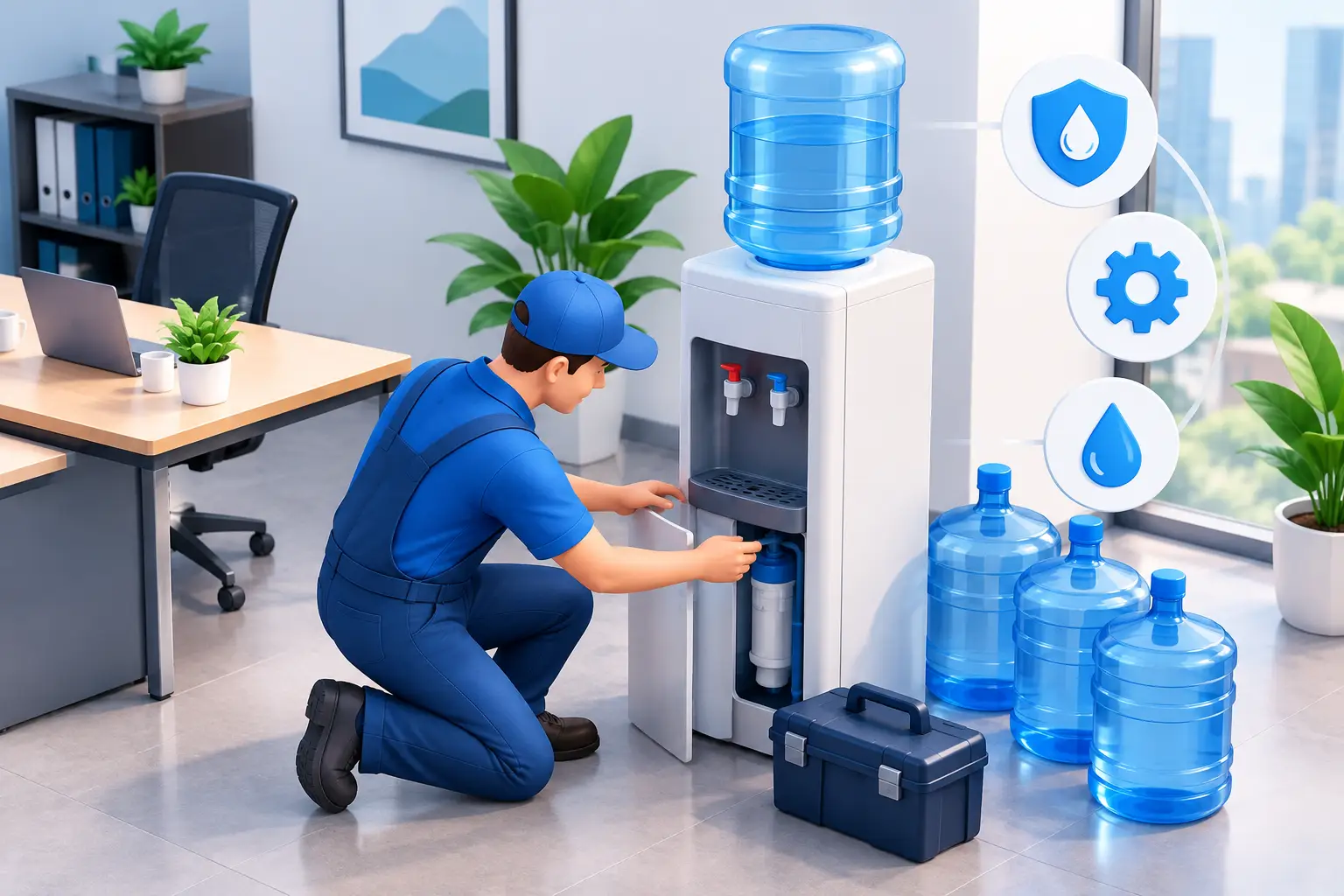
A water cooler that runs empty at 2 p.m. creates more disruption than it should. Employees leave the office to buy drinks, the reception area fields complaints, and the person responsible for the break room has another small problem to solve. Knowing how to manage office water service means setting up a dependable system for water quality, equipment, replenishment, and support – not simply placing a dispenser in the corner.
For office managers and facilities teams, the best plan is one that fits the workplace’s actual habits. A 15-person office with occasional visitors has different needs than a busy corporate floor with multiple conference rooms. The goal is consistent access to clean, great-tasting water without unnecessary deliveries, storage issues, or service calls.
Start With Your Office Water Needs
Before choosing equipment or setting a delivery schedule, look at how people use water throughout the day. Headcount is a useful starting point, but it is not the whole picture. Consider hybrid schedules, guests, client meetings, shift changes, and whether the office already offers coffee, tea, ice, or bottled beverages. Each affects demand.
Walk through the space as employees would. Is there one central break room, or do teams work across several floors? Is a conference room regularly used for meetings? Does the reception area need a compact water option for visitors? A single high-capacity unit may be enough for a smaller, centralized office. Larger workplaces may be better served by multiple dispensers placed near high-traffic areas.
Usage also changes with the season. In South Florida, warmer weather can raise demand for chilled water, especially in active commercial environments. Rather than waiting for shortages to become routine, review consumption after the first few weeks and adjust the service plan based on real use.
Choose the Right Type of Office Water Service
Most office water programs fall into two categories: bottled water delivery and bottleless water systems. Both can work well. The better choice depends on building access, available plumbing, storage space, employee volume, and the level of flexibility the office needs.
Bottled water delivery
Bottled water coolers are a practical choice when plumbing access is limited or when the office needs equipment in a location away from a water line. They can also be easy to relocate during an office reconfiguration. A scheduled delivery program keeps fresh bottles available and typically includes empty-bottle pickup, which helps keep the break room orderly.
The trade-off is storage. Full bottles need a clean, accessible location, and empty bottles need a designated return area. If the office frequently runs out before delivery day, the answer may be a revised order quantity or a more frequent delivery schedule, not a rushed emergency order every month.
Bottleless water systems
Bottleless dispensers connect to the building’s water supply and filter water at the point of use. For offices with steady daily demand, they can reduce the need to store and handle five-gallon bottles. Many models offer chilled and hot water, making them useful in a break room that supports tea, instant foods, and other hot-water needs.
The key consideration is service. Filters require replacement on schedule, and the unit should be professionally maintained and sanitized. A bottleless system is only convenient when the provider tracks those details and responds promptly if the equipment needs attention.
Countertop, floor-standing, and specialty options
The equipment format should match the space. Countertop dispensers work well where counter space is available and floor space is limited. Floor-standing units are often a better fit for larger break rooms, common areas, and reception spaces. Some offices may prefer sparkling water, touchless dispensing, or units with built-in ice capability. These upgrades can be worthwhile for employee experience, but they should be selected for a clear business reason rather than novelty alone.
Build a Replenishment Plan That Prevents Shortages
A dependable water program should not depend on someone noticing the last bottle is gone. Establish a baseline order using employee count and average consumption, then give the plan time to produce useful data. Track bottle usage for a month or two, including higher-demand days such as catered meetings, training sessions, and company events.
For bottled water service, keep a modest reserve on site. The right reserve is enough to cover unexpected demand between deliveries without turning a supply closet into a warehouse. Store bottles upright in a clean, dry area away from direct sunlight, chemicals, and heavy traffic. Clear storage practices protect product quality and make it easier for staff to see when inventory is running low.
For bottleless systems, replenishment is less about bottles and more about preventive maintenance. Confirm who is responsible for filter changes, sanitation, and routine inspections. Those tasks should be part of the service plan, with clear records and a reliable schedule.
A simple point person helps, but the entire program should not rely on one employee’s memory. Keep delivery dates, service contacts, and basic equipment instructions accessible to the office manager, facilities team, and front desk. That continuity matters when staff are out of the office or responsibilities change.
Keep Equipment Clean, Safe, and Ready to Use
Water equipment is part of the workplace environment, and its condition reflects on the business. Regular cleaning around the dispenser should be included in normal break room upkeep. Wipe exterior surfaces, clean drip trays, remove spills promptly, and keep the area around the unit free of clutter. These small actions help maintain a professional appearance and reduce avoidable messes.
Professional sanitation is different from daily wipe-downs. Dispensers, reservoirs, taps, and filtration systems need scheduled service according to the equipment and provider recommendations. Do not assume that because water tastes fine, the equipment needs no maintenance. A documented service schedule protects the quality of the employee experience and gives facilities teams confidence that the system is being properly cared for.
Pay attention to early warning signs. Slow dispensing, unusual noise, leaking, changes in water temperature, or an off taste should be reported quickly. Delaying a call can turn a minor adjustment into a longer interruption. A service-oriented provider should make it easy to report an issue and provide a clear path to resolution.
Coordinate Water Service With the Rest of the Break Room
Office water service works best when it is planned alongside coffee, tea, vending, and break room supplies. Employees do not think of these as separate programs. They experience one break room, and they notice when it is well stocked, clean, and functioning.
For example, a hot-and-cold water dispenser can support a tea program featuring familiar options such as Lipton or Bigelow. Filtered water can also improve the experience of a quality coffee setup. When one provider can coordinate equipment, beverages, cups, stirrers, and maintenance, the office has fewer vendors to manage and fewer gaps to chase down.
That does not mean every workplace needs the most advanced equipment. A smaller office may value a straightforward bottled cooler and dependable delivery above all else. A larger office may benefit from multiple bottleless units, water service for conference areas, and a coordinated beverage program. The right arrangement is the one that employees can use easily and the office can maintain confidently.
Set Clear Expectations With Your Service Provider
The provider relationship is where an office water program either becomes easy to manage or becomes another administrative burden. Ask practical questions before service begins: What is the normal delivery schedule? How are changes to bottle quantities handled? Who performs sanitation and filter replacement? What happens if equipment fails? How quickly can a service issue be addressed?
Look for a provider that treats those questions as part of the job, not as exceptions. Consistent communication matters as much as the equipment itself. A local, accountable service team can be especially valuable when an office needs a schedule adjustment, an additional unit, or prompt attention to a dispenser issue.
Certified Coffee Service has supported South Florida workplaces since 1975 with a service-first approach to coffee, water, vending, and break room needs. For businesses that prefer one dependable point of contact, coordinated service can reduce the daily effort required to keep workplace amenities running.
Review the Program as Your Workplace Changes
Office water needs are not fixed. A growing team, a move to a new suite, a return-to-office policy, or more frequent client meetings can all change demand. Review the program at least twice a year and whenever there is a meaningful change in occupancy or layout.
Ask whether water is consistently available where people need it, whether the equipment still suits the space, and whether service is arriving as expected. The answers may point to a small adjustment rather than a full replacement. Adding a second unit near conference rooms, increasing delivery frequency during peak months, or changing the dispenser style can make a noticeable difference.
A well-managed water service is a quiet sign that an office is cared for. When employees can fill a bottle, make tea, or welcome a guest without thinking twice about it, the break room is doing exactly what it should.