
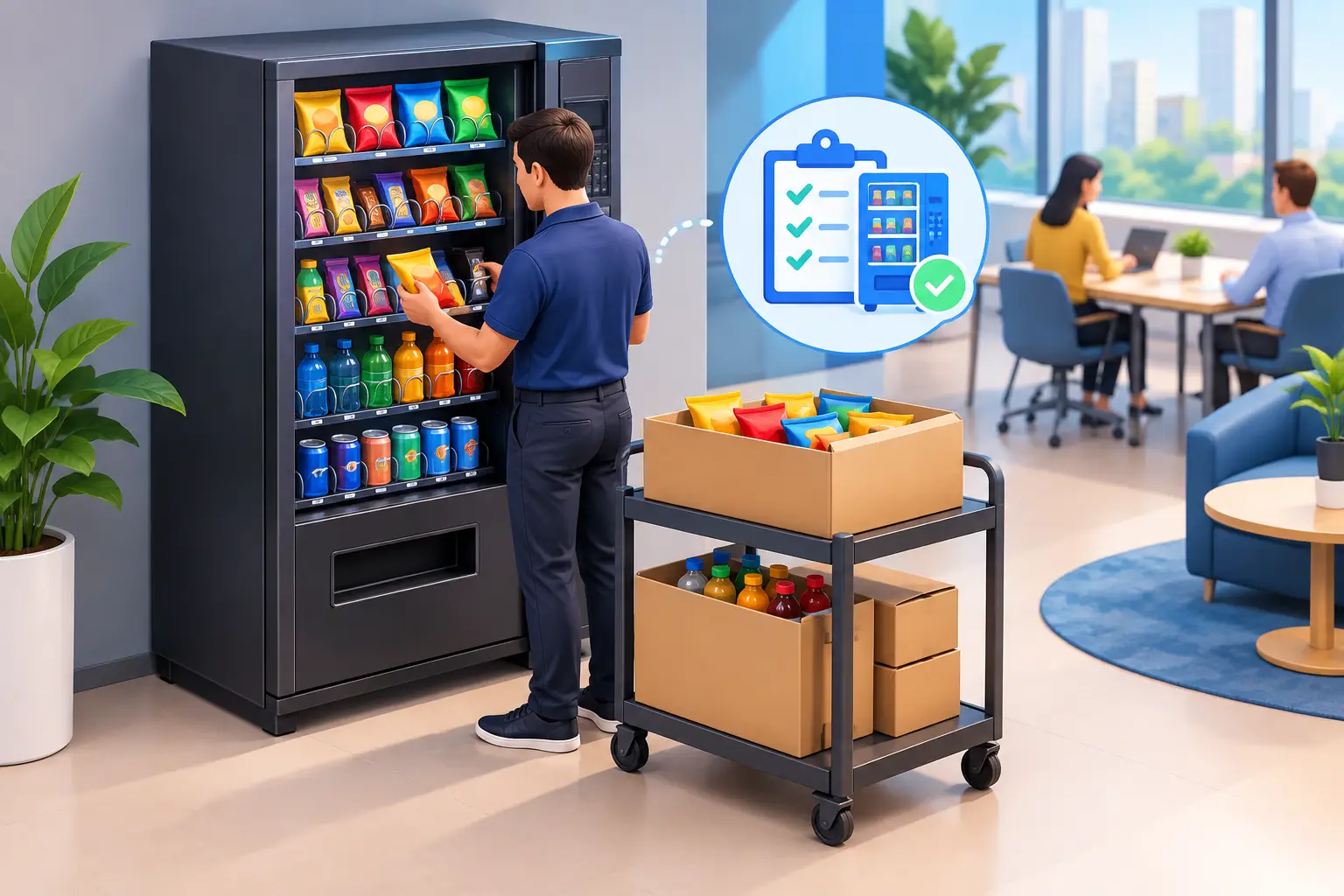
A vending machine with empty favorite selections sends the wrong message about an otherwise well-run workplace. It is also an avoidable frustration for employees who count on a quick snack, cold drink, or better-for-you option during a busy day. To reduce office vending stockouts, facilities and office managers need more than a fuller machine. They need a replenishment plan that reflects real employee demand, product movement, and responsive local service.
Stockouts are rarely caused by one issue. A popular item may sell through faster than expected, a delivery interval may no longer fit office attendance, or the machine may carry too many slow-moving choices at the expense of proven favorites. The right vending partner helps identify the cause and adjusts before empty spirals become a regular complaint.
How to Reduce Office Vending Stockouts With Better Planning
The most dependable vending programs begin with a realistic view of the workplace. A 25-person office with a consistent weekday schedule needs a different product mix and service frequency than a large facility with multiple shifts, visiting clients, or peak activity on certain days.
Start by looking at when people are in the building and how they use the break room. Hybrid schedules can create sharp differences between a quiet Monday and a packed Tuesday through Thursday. Seasonal heat, company meetings, overtime periods, and special events can also increase sales of bottled water, energy drinks, cold beverages, and grab-and-go snacks.
A provider should use this information to set appropriate inventory levels for the machine. The goal is not to fill every column with excess product. It is to maintain enough of the right products to bridge the period between service visits while minimizing stale inventory and unnecessary waste.
Build the assortment around proven demand
A broad selection is valuable, but variety should not come at the cost of availability. If a machine has several versions of a snack that rarely sells while top-selling chips, sparkling water, or protein bars run empty, the assortment needs adjustment.
Review sales patterns regularly, especially during the first few months after a new vending installation or workplace change. Employees often show clear preferences quickly. Recognized national brands and familiar everyday choices tend to move consistently, while specialty products may need a smaller allocation until demand is established.
The best mix usually includes dependable favorites alongside a measured selection of better-for-you, low-sugar, or premium items. What that balance looks like depends on the office. A professional services firm may prefer sparkling water, nuts, and snack bars. A distribution center or 24-hour operation may have stronger demand for hearty snacks, sports drinks, and energy beverages. Good vending service accounts for both preferences and purchasing volume.
Give top sellers enough space
Every vending selection has a capacity limit. A product that sells quickly should often have more than one column or a deeper allocation. This simple adjustment can make a significant difference between service visits.
For example, if bottled water consistently sells out two days before scheduled replenishment, adding capacity for water may be more effective than increasing every item in the machine. The same is true for the snack or beverage employees mention most often. Product placement should follow demand, not habit.
Match Service Frequency to Your Office Activity
A vending machine can only stay full if its service schedule keeps pace with consumption. Weekly, biweekly, or customized service may all be appropriate depending on machine size, traffic, and workplace schedules. There is no single delivery schedule that works for every location.
An office manager should not have to guess whether a machine is being visited often enough. A dependable service provider monitors the account, listens to feedback, and recommends changes when stockouts indicate that the current schedule is no longer working.
Higher traffic periods deserve special attention. Consider planned adjustments before an employee return-to-office initiative, a busy season, a training week, or a major on-site event. Waiting until the machine is empty creates disruption that could have been prevented with a simple service change.
Ask for a clear response process
Even well-managed vending programs can face an unexpected surge in demand. A large meeting, unusually hot weather, or a shift in staffing can cause certain products to move faster than normal. What matters is how quickly the issue is addressed.
Make sure employees know who to contact when they see repeated empty selections or a machine issue. The facility contact should also know how to request an additional visit or product change. A vague service process leaves small problems unresolved until they affect the entire break room.
Certified Coffee Service has built its business around Service Above All, which means treating replenishment and support as part of the workplace experience, not an afterthought. For South Florida offices, local accountability can be especially valuable when a machine needs attention quickly.
Use Vending Data and Employee Feedback Together
Sales data provides useful direction, but it does not tell the whole story. A product may show low sales because it is routinely out of stock. Another item may sell moderately well but generate frequent employee requests because it is not stocked in sufficient quantity.
Review machine performance with your provider on a regular basis. Look for the products that sell out first, selections that barely move, and categories that may be underrepresented. Ask whether service records show recurring out-of-stock patterns or whether inventory levels can be adjusted.
Employee feedback adds practical context. A short informal survey or a few questions during staff meetings can reveal whether people want more healthy snacks, cold brew coffee drinks, low-calorie beverages, or familiar brands. It can also identify items that are not appropriate for the office population.
The key is to make changes thoughtfully. Replacing the entire machine assortment based on a few requests can create more slow-moving inventory. Test a limited number of new products, review how they perform, and then give successful choices more space.
Keep Equipment Reliable, Clean, and Easy to Use
A machine may appear stocked but still fail to serve employees if selections do not vend properly, payment options are unreliable, or refrigeration is not operating as it should. These problems can look like stockouts from the employee’s perspective. A customer who loses a purchase or cannot complete payment is unlikely to return to the machine that day.
Regular maintenance, clean presentation, and working payment technology all support a better vending program. Machines should be positioned where employees can access them easily, with enough lighting and clearance for busy break periods. If the office has multiple floors, separate departments, or a large employee population, one machine may not be enough to meet demand.
It also helps to coordinate vending with the wider break room. Coffee, tea, water, and vending serve related needs, but they are used differently throughout the day. When these services are managed through one experienced provider, the workplace can receive more consistent attention across the break room rather than juggling separate contacts for equipment, beverages, and supplies.
Set Expectations With Your Vending Partner
The strongest results come from a working partnership, not a set-it-and-forget-it arrangement. At the beginning of service, share practical details: headcount, shift schedules, visitor volume, dietary preferences, building access requirements, and peak periods. Update the provider when those details change.
Establish a few simple expectations for the account. Identify the main service contact, determine how product requests will be handled, and agree on when performance should be reviewed. If employees frequently request a product that is not currently offered, that feedback should reach someone who can act on it.
For offices with sensitive budget requirements, discuss pricing and product mix openly. Premium beverages and specialty snacks can improve the employee experience, but they may sell differently than standard options. A balanced selection can protect value while still giving employees choices they appreciate.
The goal is a vending machine employees trust. When their preferred snack or drink is there when they need it, the break room feels more reliable, the office manager receives fewer complaints, and the workplace delivers a small but meaningful convenience every day. Start with the items employees reach for first, then give your service plan enough attention to keep those selections available.