
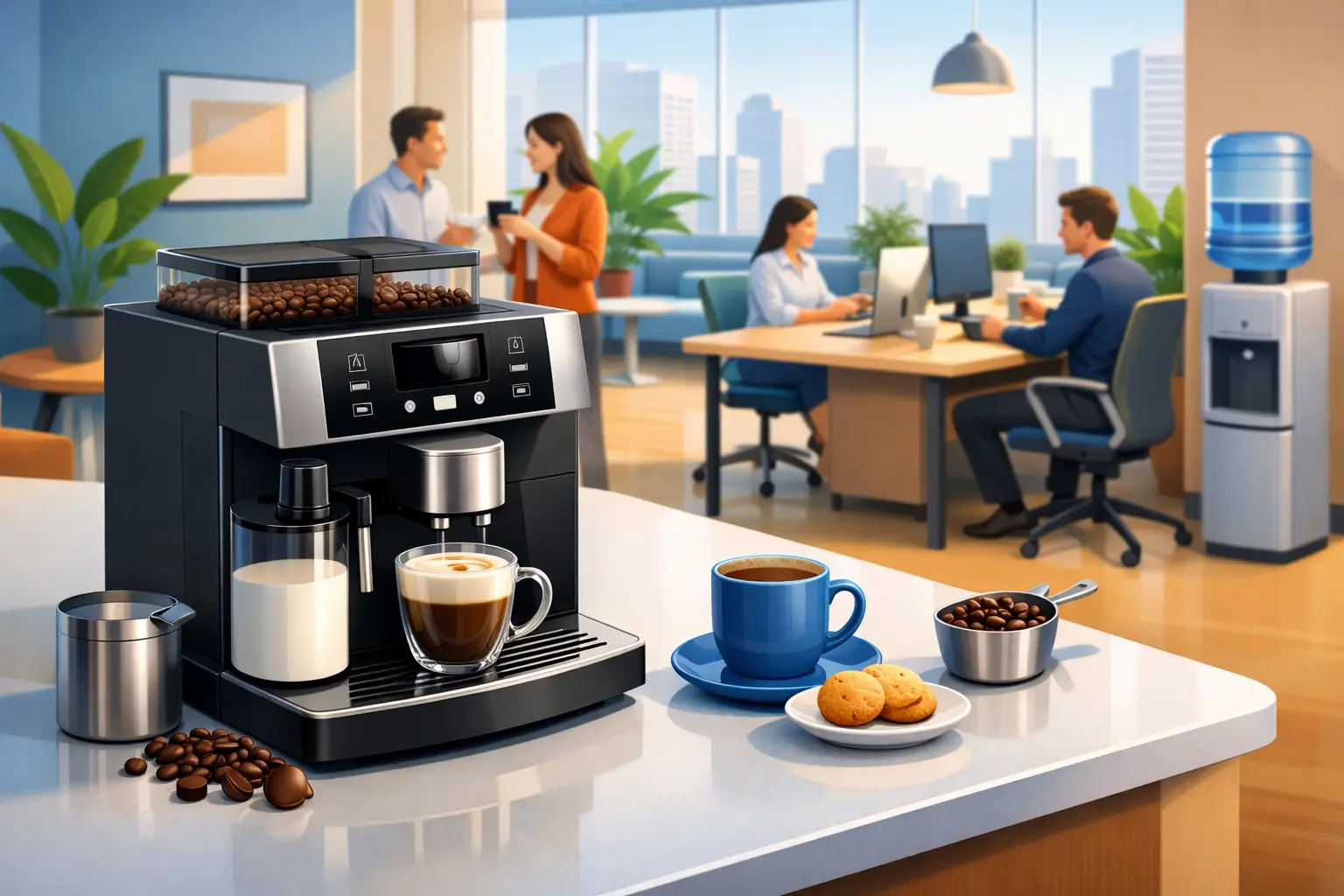
A Monday morning meeting can reveal a lot about an office coffee program. If employees are waiting for a pot to brew, settling for stale coffee, or leaving the building for a better latte, the break room is not supporting the workday. Bean to cup coffee machines offer a practical upgrade by grinding whole beans and preparing individual drinks on demand, right where employees work.
For offices that want better coffee without asking staff to become baristas, this equipment brings together freshness, consistency, and convenience. The right system can make the break room feel more welcoming while reducing the daily effort of brewing, restocking, and troubleshooting multiple coffee makers.
What Bean to Cup Coffee Machines Do Differently
Traditional brewers make coffee in batches. That works well in some settings, especially when a team needs several pots ready at once. But coffee starts losing its peak aroma and flavor after brewing, and a partly full pot can sit longer than anyone intended.
Bean to cup coffee machines take a different approach. The machine stores whole beans, grinds a measured portion for each order, and brews the beverage immediately. Depending on the model, employees may choose regular coffee, espresso, Americano, cappuccino, latte, hot chocolate, or other specialty drinks from a simple touchscreen or button panel.
That fresh-ground process is the central benefit. Whole beans preserve flavor longer than pre-ground coffee, and grinding each serving just before brewing gives employees a noticeably better cup. It also offers a more premium experience without the cost, wait, or inconsistency of sending employees out for coffee during the workday.
For a busy office, the practical advantage is just as meaningful. Employees select a drink, place a cup, and let the machine handle the portions, brewing cycle, and, on many models, milk or powdered dairy options. There is no need to measure grounds, watch a pot, or discard leftover coffee after a meeting.
The Workplace Benefits Go Beyond Better Coffee
A quality break room is part of how a business supports its people and welcomes its visitors. Coffee may be a small daily detail, but it is one employees notice. When the coffee is fresh and available, breaks become easier, informal conversations happen naturally, and staff have one more reason to enjoy being in the office.
Bean to cup systems are especially useful for workplaces with varied preferences. One employee may want a bold coffee before a morning call, while another prefers an espresso-based drink in the afternoon. A single machine can accommodate those different tastes without requiring several brewers, pods, syrups, and countertop appliances.
There is also greater portion control. Each drink is prepared to programmed specifications, which helps deliver consistent strength and quality from cup to cup. For office managers, that means fewer complaints about weak, burnt, or empty coffee. For facilities teams, it means a cleaner setup with less handling of loose grounds and fewer carafes to wash.
The value depends on the office. A small team with low coffee consumption may be better served by a single-cup pod brewer or a compact traditional coffee maker. A larger office, a client-facing reception area, a dealership, or a professional services firm may see greater value in the variety and elevated experience of a bean to cup machine.
Freshness Can Improve Perception
The smell of freshly ground coffee has an immediate effect in a workplace. It signals that the break room is cared for and that employees have access to something better than a basic convenience. That matters in offices where clients, candidates, and partners visit regularly.
The machine itself should not be viewed as a stand-alone employee perk. It is part of a dependable refreshment program that can include recognized coffee brands, tea, water, cups, condiments, and break room supplies. When these needs are coordinated through one service provider, the office has fewer details to manage.
Choosing the Right Bean to Cup Coffee Machine
The best equipment decision starts with the way people actually use the break room. It is tempting to select a machine based only on its menu, but capacity, maintenance needs, water access, and service support are just as important.
Consider these four factors before choosing a system:
- Daily volume: Estimate how many drinks employees and visitors consume during peak periods, not just across the entire day. A machine that is undersized for a morning rush can create lines and frustration.
- Drink preferences: If most employees drink regular coffee, a straightforward bean to cup brewer may be the right fit. If specialty drinks are popular, look for espresso, milk-based, and hot chocolate options.
- Placement and utilities: Confirm available counter space, electrical requirements, water access, drainage needs, and proximity to a sink. Some machines work best with a direct water connection, while others are designed for locations with different setup requirements.
- Ongoing service: Bean hoppers, brew units, milk systems, water filters, and waste containers all need regular attention. A reliable maintenance plan is more valuable than a long drink menu that no one can use when the equipment is down.
A knowledgeable office coffee provider can assess these details before installation and recommend equipment that fits the location. This helps avoid a common problem: choosing an impressive machine that is too large, too complicated, or poorly matched to the available utilities.
The Importance of Maintenance and Support
Bean to cup equipment is designed for convenience, but it is still commercial equipment. It needs cleaning, periodic calibration, ingredient replenishment, and prompt service when an issue arises. This is where a service-focused provider makes the difference.
Many machines guide users through daily rinsing and cleaning tasks. Staff may need to empty the grounds container, refill beans, or wipe the dispensing area. Those are simple routines, but they should be supported by scheduled preventative maintenance and responsive technical service.
Milk-based beverages require special consideration. Some systems use fresh milk, while others use shelf-stable milk products or powdered ingredients. Fresh milk can deliver a traditional café-style result, but it requires diligent refrigeration and sanitation. Powdered or non-dairy options can simplify maintenance and may be a better choice for certain office environments. There is no universal answer – the right choice depends on beverage expectations and how the office is staffed.
Working with a local provider also gives facilities managers a clear point of contact when something needs attention. Instead of trying to diagnose equipment, source parts, and place separate supply orders, they can rely on a partner responsible for keeping the program running.
A Strong Fit for Offices That Value Choice
Bean to cup coffee machines are often a strong match for offices with 30 or more regular coffee drinkers, high visitor traffic, or a desire to offer café-style drinks without a staffed coffee bar. They can also work well in hospitals, law firms, financial offices, showrooms, and other commercial environments where beverage quality reflects on the organization.
They are not always the only answer. A large workplace may benefit from a combination of equipment: a bean to cup machine for specialty drinks, a high-volume brewer for meetings, and a tea or water station nearby. The goal is not to add equipment for its own sake. It is to give employees dependable choices while keeping the break room efficient.
Coffee selection matters, too. A capable machine deserves beans that match the workplace’s taste preferences. Offering familiar, trusted coffee brands alongside tea options from names employees recognize can make adoption easier and help ensure the program serves more than just avid coffee drinkers.
Make the Break Room Easier to Manage
The strongest workplace coffee programs are built around reliability. Equipment should be easy for employees to use, products should be replenished before supplies run low, and service should be available when a machine needs attention. Those operational details protect the employee experience every day.
Certified Coffee Service helps South Florida workplaces evaluate equipment, coffee, tea, water, vending, and break room needs as one coordinated program. For offices considering a bean to cup system, the right next step is a practical conversation about daily volume, drink preferences, available space, and the support needed after installation. A well-matched machine can turn the daily coffee break into one less thing your team has to manage.
2 comments