
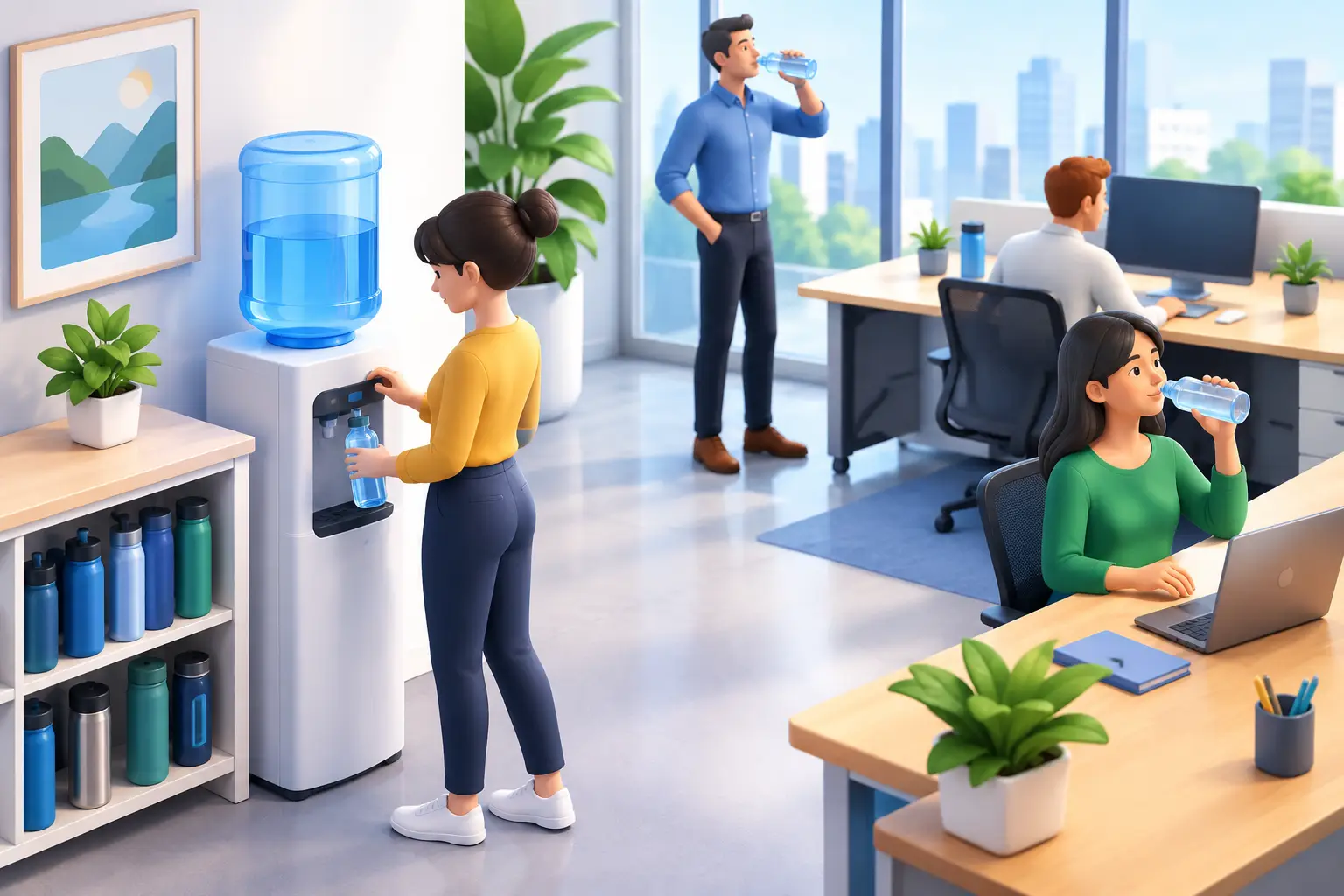
A water station that runs empty at 2 p.m., a dispenser that needs attention, or a break room with only lukewarm tap water creates more friction than most workplaces realize. Workplace hydration is a practical part of employee comfort, daily productivity, and a well-managed office environment. When water is easy to access, appealing to drink, and consistently available, employees can take care of a basic need without interrupting their day.
For office managers and facilities teams, the goal is not simply to place a water cooler in a corner. It is to provide a dependable hydration solution that fits the number of employees, the layout of the workplace, and the expectations of the people using it. That requires the right equipment, a realistic replenishment plan, and a service partner that responds when something needs attention.
Why Workplace Hydration Deserves Attention
Coffee often receives most of the attention in a break room, and for good reason. It supports routines, conversations, and a more welcoming workplace culture. Water deserves the same operational consideration. Employees need easy access to refreshing water throughout the day, especially in warm South Florida conditions, active commercial settings, and offices where meetings can run long.
A thoughtful water program also communicates that the workplace is organized and considerate. Visitors notice whether the reception area offers a clean, professional beverage option. Employees notice whether they can fill a bottle without walking across the building or waiting for a shared refrigerator pitcher to chill.
There is no single solution for every workplace. A small office may be well served by a compact bottled water cooler, while a larger corporate office may need multiple points of access or a plumbed-in filtration system. The best choice depends on employee count, water usage, available space, plumbing access, and how much hands-on maintenance the team wants to manage.
Start With the Way Your Office Uses Water
Before selecting equipment, consider the real patterns of the workplace. A break room with 15 employees has different needs than a multi-floor operation with hundreds of people, client meetings, and shift changes. Daily usage is affected by office attendance, seasonal heat, fitness-minded employees, and whether the company encourages reusable bottles.
Placement is equally important. One water source tucked inside a distant break room may be technically available but rarely convenient. Offices with larger footprints often benefit from locating water near break areas, conference rooms, reception spaces, or high-traffic work zones. The right placement reduces congestion and makes hydration a natural part of the day.
Temperature options matter, too. Cold water is usually the most requested feature, particularly in warm climates. Hot water can add value in offices where employees regularly prepare tea, oatmeal, or instant meals. Room-temperature water may be preferred by some employees and is useful for quickly filling larger containers. Equipment should reflect actual demand rather than adding features that will go unused.
Choosing the Right Workplace Hydration Solution
The most common decision is between bottled water coolers and point-of-use water systems. Both can be excellent choices when matched to the environment.
Bottled water coolers are a familiar, flexible option. They do not require a direct water line, which can make them a practical fit for leased spaces, smaller offices, temporary locations, or areas where plumbing is not readily available. Scheduled bottle delivery also makes water inventory visible and predictable. The trade-off is storage: full and empty bottles need a clean, accessible place, and the office must have enough supply to cover busy periods.
Point-of-use systems connect to the building’s water supply and filter the water at the dispenser. They can provide a steady source of chilled, filtered water without bottle handling or storage. For offices with consistent usage and suitable plumbing access, this can be an efficient long-term option. Installation requirements and filter maintenance should be discussed upfront, particularly in older buildings or spaces where equipment location is limited.
For some workplaces, a combination makes the most sense. A primary filtered water system may serve the employee break room, while a bottled cooler supports a reception area, warehouse office, or conference suite. The right arrangement is the one that keeps employees supplied without creating unnecessary maintenance or administrative work.
Consider More Than Water Capacity
Capacity matters, but it is not the only factor. A workplace hydration solution should also fit the physical and operational details of the site. Countertop units can preserve floor space in compact kitchens. Freestanding dispensers may be better for common areas with heavier traffic. Bottleless systems can reduce clutter, while a traditional cooler may offer the flexibility a changing office needs.
The user experience matters as well. Easy-to-use dispensing controls, clean drip areas, adequate cup storage, and room for reusable bottles all make a difference. A water solution should look professional in a client-facing environment and be simple enough for every employee to use confidently.
Keep Water Service Reliable, Not Reactive
A water program is only as good as its consistency. Equipment needs to be clean, supplied, and working properly. Bottled water locations need reliable delivery schedules. Filtered systems need regular maintenance and filter changes. When responsibility is unclear, the break room can quickly become another task for an already busy office administrator.
This is where full-service support makes a meaningful difference. Instead of coordinating separate suppliers for water, coffee, tea, cups, and break room essentials, many offices benefit from one accountable provider. It simplifies ordering, reduces missed deliveries, and gives the workplace a clear point of contact when equipment requires service.
Certified Coffee Service supports South Florida workplaces with water solutions alongside office coffee, tea, vending, and break room supplies. That broader approach helps facilities teams create a coordinated beverage program rather than managing individual products as separate problems. The priority should remain simple: employees should find the water they need, when they need it, without having to report an issue first.
Make Hydration Easy to Choose
Reliable equipment solves the availability issue, but workplace habits also influence usage. Water should be visible, inviting, and convenient. A clean station with cold water, cups, and space for bottle filling will see more use than a dispenser hidden behind supplies.
Reusable bottle-friendly service is especially valuable in offices where employees bring tumblers or larger personal bottles. If the dispenser design makes filling awkward, employees may reach for sugary drinks or leave the break room without water. Small details such as clearance height, splash control, and nearby counter space can improve the experience.
Offering tea is another practical complement to a water program. Recognized options such as Lipton and Bigelow give employees variety while still supporting a hydration-focused break room. The goal is not to replace coffee. It is to create beverage choices that serve different preferences throughout the workday.
Plan for Busy Days and Changing Needs
Water demand is not always steady. A company meeting, employee event, summer heat, a busy client day, or a return-to-office schedule can change usage quickly. Facilities managers should review consumption periodically rather than assuming the original setup will always be adequate.
If bottled water is disappearing before scheduled delivery, the answer may be more frequent service, greater bottle capacity, or an additional dispenser. If a filtered unit attracts long lines during lunch, a second unit may be more valuable than asking employees to wait. If office attendance has decreased, the company may be able to adjust service and avoid unnecessary inventory.
A good service provider should help assess these changes with practical recommendations, not force a one-size-fits-all arrangement. The best workplace beverage programs evolve with the office, whether that means adding a water solution to a new location, refreshing aging equipment, or combining water service with a better coffee setup.
A Better Break Room Starts With Dependability
Workplace hydration is not a complicated concept, but execution matters. Employees should have clean, good-tasting water that is easy to access. Office managers should have equipment and deliveries they can depend on. Business owners should have confidence that a basic workplace essential is being handled professionally.
When water service is planned around the actual workplace and backed by responsive support, the break room works the way it should: quietly, consistently, and without becoming another item on the daily task list. That leaves employees free to recharge and get back to the work that matters.